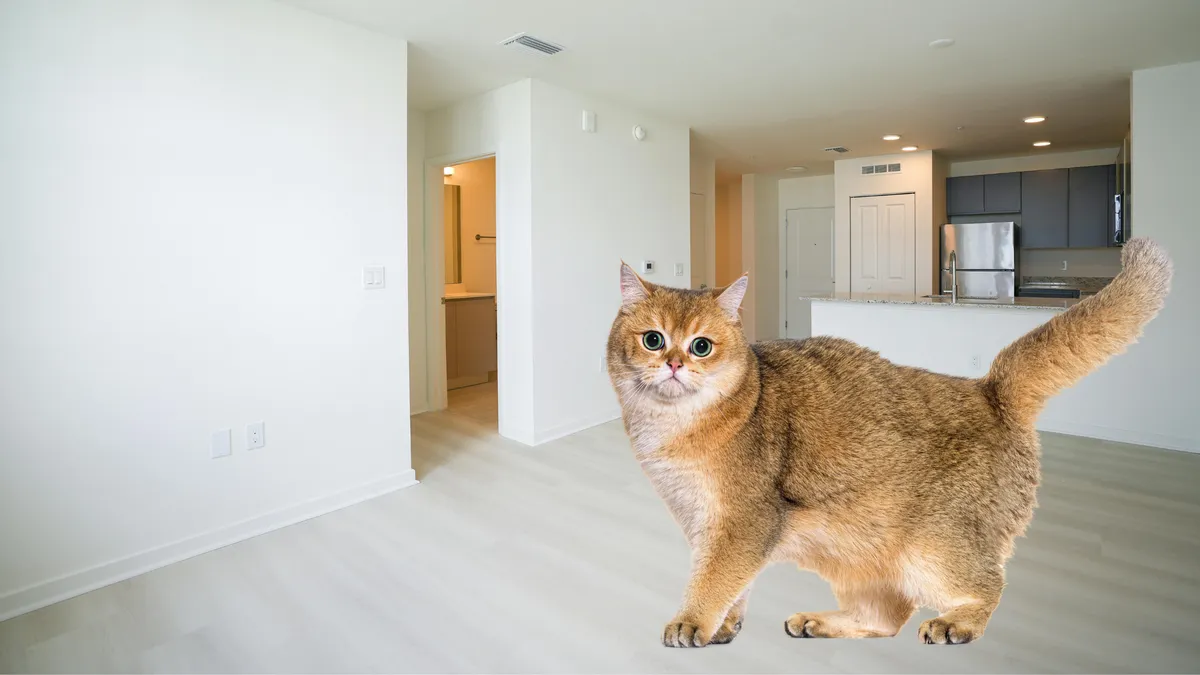
Cat-Friendly Apartment Living in San Antonio: 10 Tips
Cats can thrive in apartments when their environment supports their natural behaviors. From creating a quiet space during moving day and choosing the right litter box location to adding vertical spaces, scratching areas, daily play, and secure windows or balconies, these 10 tips can help San Antonio cat owners create a safe, comfortable, and enriching home for their cats.
Cats can live comfortably in apartments when they have safe spaces to sleep, climb, scratch, play, eat, and use the litter box.
A thoughtful apartment setup can help reduce stress, prevent furniture damage, and keep your cat active.
The key is to create an environment that supports your cat’s natural behaviors.
This includes providing vertical space, securing windows and balconies, choosing safe plants, maintaining a consistent routine, and offering daily mental stimulation.
You do not need a large home to give your cat a happy life.
A well-planned studio, one-bedroom, or two-bedroom apartment can provide everything your cat needs to rest, explore, and feel secure.
Here are ten ways to create a comfortable cat-friendly apartment in San Antonio.
1. Create a Quiet Space for Moving Day
Moving day can be overwhelming for cats.
Open doors, unfamiliar people, moving boxes, and loud noises may cause your cat to hide or attempt to escape.
Before bringing your cat into the apartment, prepare one quiet room or designated area.
Include:
Food and fresh water
A clean litter box
A familiar bed or blanket
A scratching surface
A few favorite toys
A secure carrier
Allow your cat to remain in this area while you unpack and organize the rest of the apartment.
Do not force your cat to explore immediately.
Some cats may begin investigating within a few hours. Others may need several days.
Let your cat move at a comfortable pace.
Gradually open access to other rooms once your cat begins eating, drinking, using the litter box, and behaving normally.
Maintaining the same feeding and play schedule can also make the transition easier.
2. Choose the Right Location for the Litter Box
The location of the litter box can affect whether your cat uses it consistently.
Choose an area that is:
Easy to reach
Away from food and water
Quiet but not completely isolated
Available at all times
Easy to clean
Bathrooms, laundry areas, and quiet corners may work well, depending on your apartment layout.
Avoid placing the litter box next to noisy appliances.
Sudden sounds from washing machines, dryers, or ventilation systems may discourage some cats from using it.
Clean the litter box regularly to control odors and keep your cat comfortable.
A litter mat can also help reduce the amount of litter tracked through your apartment.
If you have more than one cat, consider adding another litter box when space allows.
3. Give Your Cat Vertical Space
Cats experience an apartment differently than people do.
They do not only use the floor. They also use vertical space.
A studio or one-bedroom apartment can feel much larger to a cat when it includes safe places to climb, rest, and observe the room.
Consider adding:
A stable cat tree
A window perch
A tall scratching post
Cat-safe shelving
A raised bed
A secure space on a bookcase
Vertical spaces give cats more opportunities to exercise and relax.
They can also help cats feel secure because they can observe their surroundings from above.
Make sure every climbing structure is stable.
Avoid placing heavy or unstable furniture where it could fall if your cat jumps onto it.
4. Provide Appropriate Scratching Areas
Scratching is normal cat behavior.
Cats scratch to stretch, maintain their claws, release energy, and mark familiar areas.
Trying to stop scratching completely is usually ineffective.
A better approach is to provide acceptable scratching surfaces.
Different cats prefer different materials and positions.
Try offering:
Vertical scratching posts
Flat cardboard scratchers
Rope-covered posts
Angled scratching boards
Carpeted scratching surfaces
Place scratching options near areas where your cat sleeps, plays, or already attempts to scratch.
A scratching post should be tall enough for your cat to extend fully.
It should also have a stable base so it does not move or fall during use.
If your cat begins scratching furniture, place an approved scratching surface nearby and reward your cat for using it.
5. Create a Comfortable Window Area
Many indoor cats enjoy spending time near windows.
Watching birds, people, vehicles, and outdoor activity provides mental stimulation.
Create a comfortable window area with:
A secure window perch
A small cat bed
A folded blanket
A nearby cat tree
Before allowing your cat near an open window, inspect the screen carefully.
Window screens can become loose or damaged.
A screen should not be treated as guaranteed protection against a fall or escape.
Keep blind cords, curtain strings, and hanging decorations out of reach.
These items can become tangled around a curious cat.
6. Provide Daily Play and Mental Stimulation
Indoor cats need regular physical and mental activity.
Without enough stimulation, some cats may become restless, gain weight, scratch excessively, or wake their owners during the night.
Short, consistent play sessions can make a significant difference.
Apartment-friendly toys include:
Wand toys
Toy mice
Lightweight balls
Puzzle feeders
Treat-dispensing toys
Collapsible tunnels
Cardboard boxes
Rotate toys instead of leaving everything available at once.
This can make familiar toys feel new again.
Try scheduling playtime before meals or in the evening when your cat is naturally more active.
Even 10 to 15 minutes of focused play can provide exercise and strengthen your bond.
7. Keep Patios and Balconies Safe
A patio or balcony may provide additional living space.
It can also create risks for cats.
Do not assume that your cat understands the danger of an open railing or elevated ledge.
Before allowing access, check for:
Wide railing gaps
Loose screens
Open ledges
Climbable furniture
Toxic plants
Sharp objects
Small spaces where a cat could become trapped
Cats should not have unsupervised access to an unsecured patio or balcony.
Keep the door closed when you are not actively supervising your cat.
Residents should also check current apartment community policies before installing screens, netting, or temporary enclosures.
8. Choose Cat-Safe Plants and Decorations
Some common houseplants can be harmful to cats.
Before bringing a plant into your apartment, confirm that it is safe for feline households.
Keep the following items stored securely:
Cleaning products
Medications
Candles
Essential oils
Small decorative objects
String and ribbon
Plastic bags
Electrical cords
Fragile decorations
Cats may jump onto shelves, counters, and tables that seem inaccessible.
Store dangerous items inside closed cabinets whenever possible.
Be cautious with essential oil diffusers.
Some oils may not be safe for cats, especially in small or poorly ventilated spaces.
9. Prepare for San Antonio’s Warm Weather
San Antonio can experience long periods of hot weather.
Keep fresh water available throughout the apartment.
Some cats prefer drinking from a pet fountain because the movement makes the water more appealing.
Provide cool resting areas away from direct afternoon sunlight.
Close blinds when necessary and make sure your cat can move away from warm windows.
Watch for signs of overheating, including:
Excessive panting
Drooling
Weakness
Restlessness
Vomiting
Unusual tiredness
Never leave your cat inside a parked vehicle, even for a brief period.
10. Keep Identification and Veterinary Information Updated
After moving, update your cat’s identification information.
This may include:
Microchip registration
Identification tags
Veterinary records
Emergency contact details
Medication information
Your current phone number
Your new address
Keep a recent photograph of your cat available in case it becomes lost.
It is also helpful to identify a nearby veterinarian and emergency veterinary clinic before you need one.
Prepare a small emergency kit with food, water, medication, veterinary records, and a secure carrier.
What Should You Ask Before Renting With a Cat?
Pet policies can vary between apartment communities.
Before applying, contact the leasing team and ask about:
The number of cats allowed
Required veterinary records
Vaccination requirements
Pet deposits
Monthly pet fees
Age restrictions
Community rules
Policies and fees may change.
Always confirm the latest information directly with the property before applying or bringing a new cat into your apartment.
Why Cats Can Thrive in Apartments
Cats do not need unlimited space to live happy lives.
They need an environment that supports their natural behavior.
Cats should have opportunities to:
Climb
Scratch
Explore
Play
Rest
Hide
Observe their surroundings
A smaller apartment with thoughtful enrichment can be more comfortable than a larger home without appropriate stimulation.
The quality of the environment often matters more than the total square footage.
Frequently Asked Questions
Can cats be happy in apartments?
Yes. Cats can live comfortably in apartments when they have access to food, water, clean litter boxes, scratching surfaces, climbing areas, playtime, and quiet places to rest.
How do I help my cat adjust after moving?
Start with one quiet room or designated area.
Include familiar bedding, food, water, a litter box, and toys.
Allow your cat to explore gradually and maintain familiar routines whenever possible.
Where should I place a litter box?
Place it in a quiet, accessible area away from food and water.
Avoid locations near loud appliances or areas that may become blocked.
How can I reduce litter box odors?
Clean the litter box daily, replace litter as needed, use a litter mat, and keep the surrounding area ventilated.
Should I let my cat onto the balcony?
Only allow access when the balcony is properly secured and your cat is supervised.
Standard railings and screens may not prevent falls or escapes.
How much playtime does an indoor cat need?
Needs vary by age, health, and personality.
Many cats benefit from several short play sessions throughout the day.
What should I ask the leasing team before moving with a cat?
Ask about current pet deposits, monthly fees, documentation requirements, the number of cats allowed, and any community-specific rules.
Create a Comfortable Home for You and Your Cat
A cat-friendly apartment is more than a home that permits cats.
It is a space where your cat can feel secure, comfortable, active, and connected to you.
By planning your layout, providing appropriate scratching and climbing areas, securing potential hazards, and maintaining a consistent routine, you can create a comfortable home in almost any apartment size.
Winston Apartments offers cat-friendly apartment living in San Antonio with multiple floor plan options for different lifestyles and space needs.
Contact the Winston Apartments leasing team to learn more about current availability, apartment features, and cat policies.
